Eva C. S. Hawker, M.A.
Harmony isn't a destination.
Harmony is a practice.
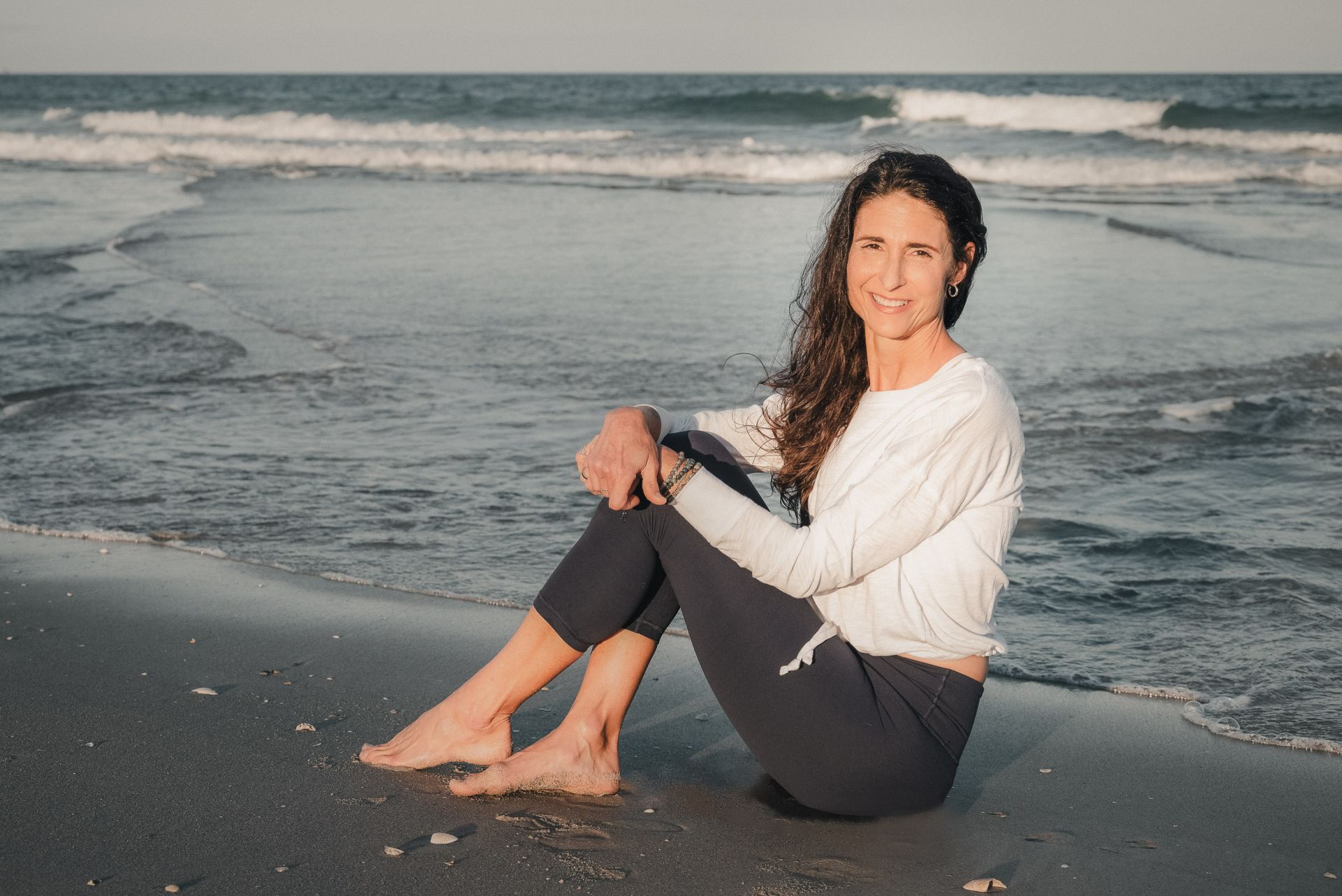
This isn't just the Academy's philosophy. It's my story.
Harmony has beckoned me for as long as I can remember. Long before I had language for it, I recognized harmony as a felt sense within my body, mind, emotions, and spirit, underlying the changing circumstances of my human life. As a very little girl, I sang and moved constantly, naturally harmonizing with the song of life. Yet that song unfolded into heavy dissonance in my lived experience.
Dissonance is not the same as disharmony. It asks us to pay attention, creates movement, and signals that change is approaching. My younger self had not yet learned what a lifetime of music has taught me: harmony often beckons through dissonance. I sought relief through a friend – a sturdy upright piano.
Before I could read music or play specific tunes, I would go to the piano in a tumultuous home and find expression for the fear, sadness, and anger I could not safely voice. I quickly learned I could shift my own sense of wellbeing through sound, and even shift the energy of everyone in the house. Magic!
At age 9, I began formal piano study and singing in choirs. I didn’t know I was self-regulating and co-regulating with sound every time I returned to practice. I just knew I needed to be in the music. Music brought me home to my own body and gave me a safe place to connect in harmonious relationship with others. I was using sound to heal without knowing the term “sound healing.”
Around the same age, I was diagnosed with a spinal condition. Fearful of surgery, I committed to daily physical therapy, and within a year my condition had improved to within normal range. I learned that practice could profoundly affect my physical body, just as music affected my mind and emotions.
I entered university studying classical vocal performance and piano, but a near-fatal car accident at 19 altered my path. During rehabilitation, I recognized my joy in helping others find harmony through music making and through connecting to the transcendent through music. I shifted my studies to include music education and sacred music. My physical challenges also led me to become a certified fitness trainer for my university. I did not yet recognize how closely the lessons I was learning through music and physical training mirrored one another.
After graduation, I sang professionally, served in music ministry, and taught music for a couple of decades. Years later, I continued graduate studies in music pedagogy to deepen my understanding of how a teacher supports a student’s unfolding from knowledge to skill to artistry. While partnering with the physiology and kinesiology department to study the effects of bodywork modalities on the human voice, I uncovered research on yoga interventions. Though I had practiced yoga postures for years, this drew me into yoga as a whole-person practice extending far beyond the physical.
Classical music taught me that harmony has an underlying structure that can be studied, practiced, and understood. Yet mastery requires more than knowledge and flawless technique. Mastery also requires discernment and presence cultivated through practice, and yoga reinforced this understanding.
Through daily yoga practice, I began to experience windows of freedom from long-standing physical pain and mental anguish rooted in earlier trauma. Though I began yoga as a means to “fix” myself, in time I learned to trust that the aliveness and harmony I had always found through music could be accessed on the mat too.
I became a certified yoga teacher and later studied yoga therapy, trauma-informed care, and somatic approaches to healing. The practices of yoga gave me a framework for understanding what my own experience had taught me from childhood: the body is not separate from our emotional, mental, or spiritual experience. Working consciously with the body and breath could influence the whole person, just as I had experienced through music and physical practice since childhood.
Research on mantra meditation eventually led me into sound healing. Though I had meditated for years, quiet in my mind remained elusive. Reading about nāda yoga (“union through sound”), I realized I had been using sound to quiet my mind and experience oneness all my life. I immersed myself in therapeutic sound through training, mentorship, independent research, and study of diverse approaches and cultural perspectives.
Sound and yoga naturally converged within my therapeutic perspective, while my foundation as a musician, academic, and educator shaped how I studied them. I have collected enough information for several lifetimes. Yet I know for sure that knowledge informs, but practice transforms. Practice transformed me. Time and again, I have witnessed that even through drama, trauma, and tragedy, the possibility of greater harmony remains. With practice, we can tune to it amid the noise of our lived experience.
Sometimes we may need strong, stable resonance in therapeutic partnership to help us remember it. For me, it began with my piano and included many teachers and healers along the way. For nearly 40 years, I have supported students in recognizing their gifts, cultivating them through personal practice, and finding meaningful ways to offer them in service. As a yoga therapist and therapeutic sound practitioner, I create supportive environments for awareness, regulation, and integration toward greater harmony.
I didn’t set out to become a sound healer, a yoga therapist, or a teacher of therapeutic sound. I simply kept following harmony. I understand now something the little girl at the piano could only feel: harmony was never a place I could arrive. Life changes. I change. The notes around me change. Harmony is the practice of listening within that movement, recognizing what has shifted, responding to what is present, and tuning again.
Harmony is a practice.
Harmony has beckoned me for as long as I can remember. Long before I had language for it, I recognized harmony as a felt sense within my body, mind, emotions, and spirit, underlying the changing circumstances of my human life. As a very little girl, I sang and moved constantly, naturally harmonizing with the song of life. Yet that song unfolded into heavy dissonance in my lived experience.
Dissonance is not the same as disharmony. It asks us to pay attention, creates movement, and signals that change is approaching. My younger self had not yet learned what a lifetime of music has taught me: harmony often beckons through dissonance. I sought relief through a friend – a sturdy upright piano.
Before I could read music or play specific tunes, I would go to the piano in a tumultuous home and find expression for the fear, sadness, and anger I could not safely voice. I quickly learned I could shift my own sense of wellbeing through sound, and even shift the energy of everyone in the house. Magic!
At age 9, I began formal piano study and singing in choirs. I didn’t know I was self-regulating and co-regulating with sound every time I returned to practice. I just knew I needed to be in the music. Music brought me home to my own body and gave me a safe place to connect in harmonious relationship with others. I was using sound to heal without knowing the term “sound healing.”
Around the same age, I was diagnosed with a spinal condition. Fearful of surgery, I committed to daily physical therapy, and within a year my condition had improved to within normal range. I learned that practice could profoundly affect my physical body, just as music affected my mind and emotions.
I entered university studying classical vocal performance and piano, but a near-fatal car accident at 19 altered my path. During rehabilitation, I recognized my joy in helping others find harmony through music making and through connecting to the transcendent through music. I shifted my studies to include music education and sacred music. My physical challenges also led me to become a certified fitness trainer for my university. I did not yet recognize how closely the lessons I was learning through music and physical training mirrored one another.
After graduation, I sang professionally, served in music ministry, and taught music for a couple of decades. Years later, I continued graduate studies in music pedagogy to deepen my understanding of how a teacher supports a student’s unfolding from knowledge to skill to artistry. While partnering with the physiology and kinesiology department to study the effects of bodywork modalities on the human voice, I uncovered research on yoga interventions. Though I had practiced yoga postures for years, this drew me into yoga as a whole-person practice extending far beyond the physical.
Classical music taught me that harmony has an underlying structure that can be studied, practiced, and understood. Yet mastery requires more than knowledge and flawless technique. Mastery also requires discernment and presence cultivated through practice, and yoga reinforced this understanding.
Through daily yoga practice, I began to experience windows of freedom from long-standing physical pain and mental anguish rooted in earlier trauma. Though I began yoga as a means to “fix” myself, in time I learned to trust that the aliveness and harmony I had always found through music could be accessed on the mat too.
I became a certified yoga teacher and later studied yoga therapy, trauma-informed care, and somatic approaches to healing. The practices of yoga gave me a framework for understanding what my own experience had taught me from childhood: the body is not separate from our emotional, mental, or spiritual experience. Working consciously with the body and breath could influence the whole person, just as I had experienced through music and physical practice since childhood.
Research on mantra meditation eventually led me into sound healing. Though I had meditated for years, quiet in my mind remained elusive. Reading about nāda yoga (“union through sound”), I realized I had been using sound to quiet my mind and experience oneness all my life. I immersed myself in therapeutic sound through training, mentorship, independent research, and study of diverse approaches and cultural perspectives.
Sound and yoga naturally converged within my therapeutic perspective, while my foundation as a musician, academic, and educator shaped how I studied them. I have collected enough information for several lifetimes. Yet I know for sure that knowledge informs, but practice transforms. Practice transformed me. Time and again, I have witnessed that even through drama, trauma, and tragedy, the possibility of greater harmony remains. With practice, we can tune to it amid the noise of our lived experience.
Sometimes we may need strong, stable resonance in therapeutic partnership to help us remember it. For me, it began with my piano and included many teachers and healers along the way. For nearly 40 years, I have supported students in recognizing their gifts, cultivating them through personal practice, and finding meaningful ways to offer them in service. As a yoga therapist and therapeutic sound practitioner, I create supportive environments for awareness, regulation, and integration toward greater harmony.
I didn’t set out to become a sound healer, a yoga therapist, or a teacher of therapeutic sound. I simply kept following harmony. I understand now something the little girl at the piano could only feel: harmony was never a place I could arrive. Life changes. I change. The notes around me change. Harmony is the practice of listening within that movement, recognizing what has shifted, responding to what is present, and tuning again.
Harmony is a practice.

Copyright © 2026 The Resonance Agency, LLC
Created with